

Understanding IPTV Technology
Internet Protocol Television, commonly known as IPTV, represents an evolution in how we access and enjoy television content. Unlike traditional broadcast methods that rely on satellite or cable signals, IPTV uses the internet to deliver programming directly to viewers. This fundamental difference in infrastructure allows for a more flexible and potentially interactive viewing experience.
At its core, IPTV operates by converting television programming into data packets, which are transmitted over internet protocol (IP) networks. This requires a robust foundation of networking technology, including high-speed broadband connections and advanced compression techniques. These data packets travel across the internet to reach the user’s device, ensuring efficient and rapid delivery of content. The seamless integration of protocols, such as Real-Time Streaming Protocol (RTSP) and Internet Group Management Protocol (IGMP), enables smooth playback and real-time interaction.
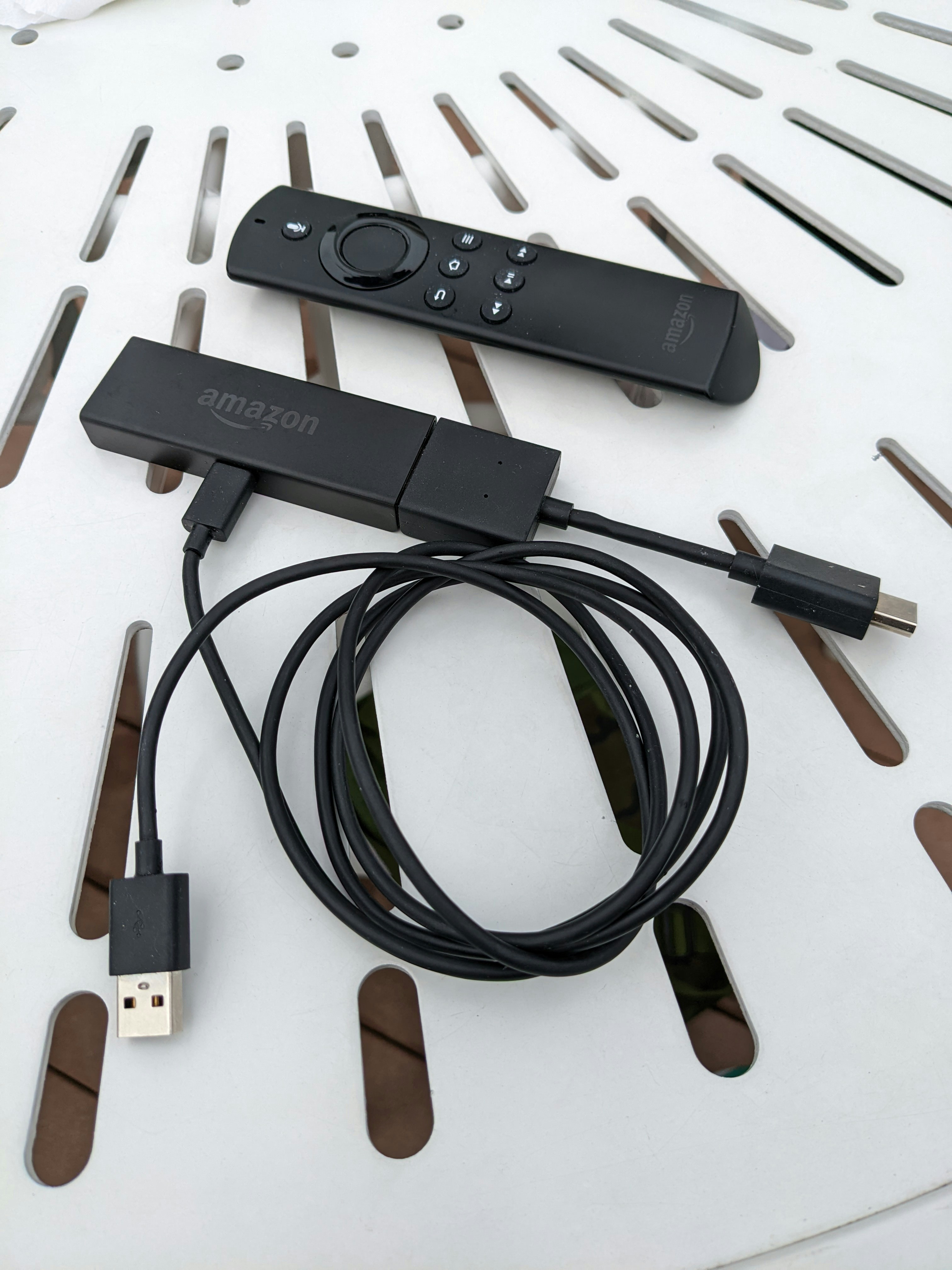
The IPTV infrastructure can be broken down into three key components: the content delivery network, the middleware, and the client-side hardware. The content delivery network is responsible for hosting and distributing the media to end-users. Middleware acts as the intermediary, managing user interactions and providing functions like program guides and video on demand (VOD). The client-side hardware—typically smart TVs, set-top boxes, or mobile devices—decodes the streamed data, enabling the viewer to watch their preferred content.
Moreover, IPTV’s ability to support various devices enhances its appeal, as users can access their favorite shows on smartphones, tablets, and computers, making it a versatile choice for modern media consumption. Furthermore, features such as catch-up TV and time-shifted viewing exemplify the advantages of IPTV technology, providing users with greater control over their viewing schedule.
IPTV vs. Traditional Cable: A Comparison
As consumers navigate their television options, understanding the differences between IPTV (Internet Protocol Television) and traditional cable is crucial for informed decision-making. IPTV offers several advantages over cable television, starting with cost. Typically, IPTV services come at a lower price point compared to comprehensive cable packages, which often include numerous channels that viewers may not use. This flexibility extends to channel selection, allowing users to curate their viewing experience by opting for only those channels that interest them.
Another notable benefit of IPTV is the absence of fixed contracts. Unlike traditional cable services, which often require lengthy commitments, many IPTV providers offer month-to-month subscriptions. This freedom empowers consumers to adapt their services as their viewing habits change, eliminating the feeling of being tied down to a service that no longer meets their needs.
In terms of availability, IPTV is accessible from anywhere with a reliable internet connection, enabling users to watch content on various devices. This level of flexibility is a significant aspect of the modern viewing experience. Furthermore, IPTV provides on-demand features, allowing customers to watch content at their convenience, unlike traditional cable that restricts viewers to scheduled programming.
However, IPTV is not without its drawbacks. Users may occasionally experience buffering or a decrease in quality, particularly if their internet connection is unstable. Additionally, some consumers express concerns regarding the reliability of IPTV services compared to the perceived stability of traditional cable. Moreover, there may be content restrictions based on geographic locations, which can limit access to specific channels or shows.
In summary, while IPTV presents various advantages such as cost-effectiveness, flexibility, and extensive on-demand features, traditional cable may still appeal to those who prioritize reliability and a wider range of immediate content access. Evaluating these aspects will help viewers determine the best option for their unique preferences and requirements.
Live TV vs. Video on Demand (VOD) Explained
In the realm of IPTV services, understanding the difference between Live TV and Video on Demand (VOD) is essential for making informed decisions about your viewing preferences. Live TV refers to television programming that is broadcast in real-time, allowing users to engage with scheduled shows, sports events, and news as it happens. This format is ideal for viewers who appreciate the immediacy of live events and enjoy participating in shared viewing experiences. It typically aligns with traditional television watching habits and offers a sense of community, particularly during significant events.
On the other hand, Video on Demand (VOD) provides a more flexible viewing experience. With VOD, users can select content from a library and watch it at their convenience, making it suitable for those who prefer tailored viewing schedules. This format is particularly beneficial for binge-watchers, who can watch multiple episodes of a series back-to-back, or for those with busy lifestyles who may not always be available for live broadcasts. VOD services generally include a vast array of genres and customizable playlists, thereby enhancing user satisfaction and engagement.
However, both options have their pros and cons. Live TV offers the excitement of spontaneity but may require users to adhere to specific schedules, which can be inconvenient. Additionally, it may come with limited replay capabilities. Conversely, while VOD offers the freedom of choice, some users may miss out on the real-time excitement that live programming provides. Choosing between Live TV and VOD ultimately depends on individual viewing habits, lifestyle commitments, and personal preferences.
Getting Started with IPTV: What You Need to Know
As you venture into the world of Internet Protocol Television (IPTV), understanding the fundamental requirements is essential for a smooth transition. Firstly, a reliable internet connection plays a pivotal role. For optimal streaming quality, it is recommended to have a minimum internet speed of 10 Mbps. Higher speeds may be necessary for services that offer high-definition content or multiple streams simultaneously. Conducting a speed test prior to selecting an IPTV provider can ensure your connection meets these needs.
Next, consider the compatible devices. IPTV services typically operate on various platforms, including smart TVs, PCs, tablets, smartphones, and dedicated IPTV boxes. Before subscribing, ensure that your device supports the specific IPTV application or software. Many providers offer downloadable apps that are compatible with major operating systems.
When it comes to choosing the right IPTV service provider, evaluating the available options is crucial. Look for reputable providers that offer a diverse selection of channels, including local, international, and niche broadcasting. Additionally, features such as video on demand, cloud DVR, and user-friendly interfaces can enhance your viewing experience. Reading customer reviews and conducting thorough research can help you make an informed decision.
Installation of IPTV typically involves downloading the relevant application onto your device and following the instructions provided by your service provider. Some services may require a login or activation code to unlock content. If you encounter any difficulties during installation, consulting the provider’s customer support can be beneficial.
To enhance your IPTV viewing experience, familiarize yourself with the interface and utilize features like parental controls if available. For troubleshooting common issues such as buffering or poor picture quality, restarting the device and clearing any cache might resolve these problems. Ensuring a stable internet connection and maintaining your device’s software will also contribute to an uninterrupted viewing experience.
